




Published: April 4, 2026
17 Summer Safety Tips for Sun Protection and Heat Management
Summer UV in the continental US runs at index 8 or higher from roughly June through August — sometimes into September in southern states. UV index 8 is classified as "very high." That means if you're fair-skinned and unprotected, you can burn in 15–20 minutes of direct midday sun. At UV index 10, that window is 10–12 minutes.
Most people overestimate how much protection they have and underestimate how fast UV damage accumulates. Here are 17 tips that make a real difference — not just the usual advice repackaged.
Why Summer UV Is Different
UV intensity isn't constant. It peaks in summer for three compounding reasons: the sun sits higher in the sky (shorter path through the atmosphere), days are longer (more total exposure hours), and most people spend more time outdoors. The 10am–4pm window accounts for roughly 60–70% of the total daily UV dose. Missing that window on a UV index 9 day is the equivalent of cutting your exposure risk by more than half.
Altitude and reflective surfaces amplify this further. At 8,000 feet, UV intensity is about 25% higher than at sea level. Sand reflects 15–17% of UV back up at you. Snow reflects 80–90%. Open water reflects 5–10%, but on a boat you're also often at peak UV hours with no shade.
The 17 Tips
1. Wear a Wide-Brim Hat
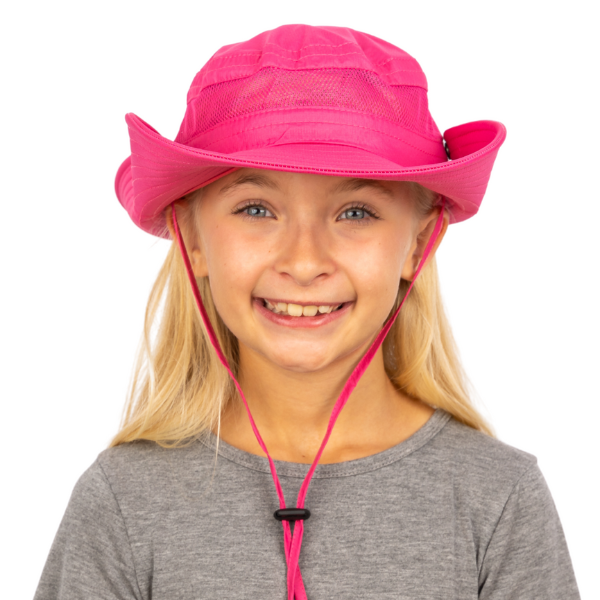
A 3-inch or wider brim, full circumference, UPF 50+ rated. Not a baseball cap — those protect the top of your head and little else. The ears, neck, and lower face are common sites for skin cancer and they need coverage too.
2. Use SPF 30+ Broad-Spectrum Sunscreen
Broad-spectrum means it protects against both UVA and UVB. SPF 30 is the minimum for summer outdoor use. Apply to all exposed skin 15–20 minutes before going outside so it can bind to the skin properly.
3. Reapply Every 80 Minutes — Not Just Once
Most sunscreens lose effectiveness after about 80 minutes of active use or after swimming or heavy sweating, regardless of SPF. A single morning application does not last the day. Set a reminder if you need to.
4. Wear UPF Clothing
A UPF 50+ shirt or hat is more reliable than sunscreen for covered areas — it doesn't wear off, doesn't wash off, and doesn't require reapplication. For anyone spending more than an hour outside, UPF clothing on shoulders, arms, and neck is the most efficient protection you can add.
5. Seek Shade Between 10am and 4pm
This isn't about avoiding sun entirely. It's about choosing when to be in direct unshaded sun. Morning walks, evening outdoor work, early rounds of golf — all carry significantly lower UV loads. If you need to be out during peak hours, treat it like a hazard and protect accordingly.
6. Check the UV Index Daily
The UV index varies day to day based on cloud cover, ozone, and season. Cloud cover does not eliminate UV — overcast days can still register UV index 6 or 7. The SunUp app provides a 48-hour UV forecast and calculates your personal estimated burn time based on skin type. It removes the guesswork.
7. Hydrate on a Schedule
Thirst lags behind actual dehydration. By the time you feel thirsty during outdoor activity, you're already mildly dehydrated. In heat with active exertion, drink 6–8 oz of water every 20–30 minutes. For activity over 60 minutes, electrolyte replacement matters alongside plain water.
8. Wear UV-Blocking Sunglasses
Eyes are UV-sensitive tissue. Cumulative UV exposure to the eyes contributes to cataracts and macular degeneration. Look for lenses labeled 100% UVA/UVB protection or UV400. Polarized lenses reduce glare but polarization alone doesn't mean UV protection — check the label.
9. Protect Kids First
Children's skin is more sensitive to UV damage than adult skin. One blistering sunburn in childhood doubles the lifetime risk of melanoma. Apply SPF 30+ generously before outdoor play, use UPF clothing and hats, and keep kids out of peak sun when possible. For babies under 6 months, skip sunscreen — keep them covered and in shade entirely.
10. Avoid Peak Hours for Extended Outdoor Work
If you're landscaping, doing outdoor construction, or running long outdoor events, schedule the heaviest work for early morning or after 4pm. This is a systemic change that reduces cumulative UV exposure over a season without requiring any product or gear.
11. Use Long Sleeves for Extended Outdoor Time
A lightweight long-sleeve shirt rated UPF 50+ is cooler than you'd expect — quality sun-protective fabrics are specifically engineered for airflow. Covering your forearms eliminates the need to apply and reapply sunscreen to a large surface area. For anyone working outdoors daily, this is a straightforward time and cost savings.
12. Use Lip Balm With SPF
The lips have minimal melanin and thin skin. Lip cancer — almost always squamous cell carcinoma — is most common on the lower lip, which gets the most direct sun exposure. SPF 30 lip balm costs almost nothing and most people forget it entirely.
13. Protect Your Ears and Neck Specifically
These are two of the most common sites for skin cancer in adults, particularly in men, and two of the most frequently missed spots when applying sunscreen. If you're wearing a hat that doesn't cover your neck, apply sunscreen to the back of the neck every time.
14. Check UV Even on Cloudy Days
Up to 80% of UV radiation penetrates cloud cover. Many people take their worst sunburns on overcast beach or snow days because they skip protection entirely. If the UV index is 6+, the conditions are sunny or not — you still need protection.
15. Get Vitamin D Early, Before Peak UV
Short sun exposure — 10–15 minutes on arms and legs before 10am — is enough to trigger meaningful vitamin D synthesis for most skin types, with minimal UV damage risk. Getting vitamin D through early morning exposure is a smarter approach than prolonged midday sun. More on this in the full vitamin D and sun guide on the GearTop blog.
16. Know the Warning Signs of Heat Illness
Heat exhaustion and heat stroke are not the same thing. Heat exhaustion can be managed with shade, rest, and fluids. Heat stroke is a life-threatening emergency.
Heat exhaustion: Heavy sweating, cool pale clammy skin, fast weak pulse, nausea or vomiting, muscle cramps, dizziness, headache. Move to a cool area immediately, loosen clothing, apply cool wet cloths, drink water or electrolyte fluids.
Heat stroke (call 911 immediately): Body temperature above 103°F (39.4°C), hot red dry or damp skin, rapid strong pulse, confusion, slurred speech, loss of consciousness. This is a medical emergency. Do not give fluids to someone who is unconscious. Cool the person rapidly with whatever means available while waiting for emergency services.
17. Have a Shade Plan Before You Go
If you're going to a beach, park, trail, or outdoor event, identify where the shade is before you commit to a spot. Shade from trees, structures, or your own shade setup (beach tent, umbrella) reduces UV exposure by 50–75% depending on density. A plan costs nothing and makes a full day outside sustainable rather than something to recover from.
UV Index Reference: What Each Level Means
| UV Index | Risk Level | Burn Time (Fair Skin) | Recommended Action |
|---|---|---|---|
| 1–2 | Low | 60+ minutes | Minimal protection needed |
| 3–5 | Moderate | 30–45 minutes | SPF 30+, hat recommended |
| 6–7 | High | 20–30 minutes | SPF 30+, hat, shade mid-day |
| 8–10 | Very High | 10–20 minutes | Full protection, limit peak exposure |
| 11+ | Extreme | Under 10 minutes | Avoid direct sun 10am–4pm |
A wide-brim UPF 50+ hat is the fastest single upgrade for outdoor UV protection. It requires no reapplication, no timing, and works immediately.
Related Reading
- 23 Tips: Protect Yourself from Summer Heat
- Family Outdoor Safety Guide
- How to Choose the Best Sun Protection Clothing
Frequently Asked Questions
UV radiation peaks between 10am and 4pm, with the highest intensity around solar noon — typically 1–2pm in areas observing daylight saving time. In June and July, UV index values of 8–11 are common across most of the continental US. UV index 8 means fair-skinned people can burn in 15–20 minutes of unprotected exposure. Check the UV index each morning, not just the temperature — hot days and high UV don't always coincide.
Marginally. SPF 30 blocks about 97% of UVB rays. SPF 50 blocks about 98%. The real variable isn't the SPF number — it's how much sunscreen you apply and whether you reapply every 80 minutes or after getting wet. Research consistently shows that most people apply 25–50% of the recommended 1 oz per full-body application, which cuts the effective protection dramatically regardless of the SPF on the bottle. Apply generously and reapply on schedule.
Children's skin is more sensitive to UV damage than adult skin, and sunburns during childhood significantly increase lifetime skin cancer risk — one blistering burn before age 18 doubles melanoma risk. Use SPF 30+ broad-spectrum sunscreen on all exposed skin, apply UPF 50+ clothing and a wide-brim hat, and keep kids out of direct sun during the 10am–4pm peak window when possible. For babies under 6 months, skip sunscreen and keep them in shade and covered clothing instead.
Yes, with the right protection in place. UV index 8 is classified as very high — unprotected fair skin can burn in 15–20 minutes. At UV index 10+, that window drops to 10–12 minutes. Wear a wide-brim UPF 50+ hat, apply SPF 30+ broad-spectrum sunscreen to all exposed skin, and wear UV-blocking sunglasses. Seek shade during the peak 10am–4pm window for extended outdoor periods. The SunUp app calculates your personal estimated burn time based on your skin type and the current UV index.
Heat exhaustion signs include heavy sweating, cool pale skin, fast weak pulse, nausea, and muscle cramps. Move to a cool shaded area, loosen clothing, apply cool wet cloths to the skin, and drink water or electrolyte fluids. Heat stroke is a medical emergency requiring immediate 911 contact. Signs of heat stroke: body temperature above 103°F (39.4°C), hot red dry or damp skin, rapid strong pulse, and possible confusion or loss of consciousness. Do not give fluids to someone who is unconscious. Begin cooling immediately while waiting for emergency services.





Leave a comment (all fields required)