




Published: April 4, 2026
Best Sun Hat for Summer: What to Look for and What to Skip
Summer sun is a different animal. Between June and August, the UV index routinely hits 8 to 11 at peak hours — the "Very High" to "Extreme" range where unprotected skin can burn in under 15 minutes. That's not alarmist language; it's what the UV index scale actually says. If you spend any meaningful time outdoors in summer — hiking, gardening, fishing, watching your kids' games — your hat is doing real work, not just keeping the sun out of your eyes.
The problem is that the market is full of summer hats that look the part but fail on the basics. Straw hats. Floppy fashion hats. Baseball caps with a summery colorway. These offer incomplete or negligible UV protection. Here's how to cut through the noise.
Why Summer UV Is Different
The UV index measures the intensity of UV radiation reaching the earth's surface at a given moment. It runs from 0 (essentially zero UV, like a winter evening) to 11+ (extreme, tropical midday sun). In Canada and the northern US, summer UV peaks between 11am and 3pm. During those hours in June, July, and August, UV index values of 8 to 10 are standard — and in the American Southwest, index 11+ is not uncommon.
UV exposure is cumulative. The damage adds up every day, every summer, over a lifetime. A single blistering sunburn doubles your lifetime risk of melanoma. Even low-grade, non-burning exposure accelerates photoaging and increases basal cell carcinoma risk. None of this is theoretical. It's documented across decades of dermatology research.
A well-chosen sun hat removes the biggest variable from the equation: the scalp, ears, and neck. These are areas where sunscreen application is almost always incomplete, inconsistent, or skipped entirely.
What Makes a Hat Actually Protective
UPF Rating
UPF (Ultraviolet Protection Factor) is the fabric equivalent of SPF. A UPF 50+ rating blocks 98% or more of UV radiation. The Australian/New Zealand standard (AS/NZS 4399) is the benchmark for this rating — it's the strictest in the world and the one GearTop hats are tested against. UPF 50+ is the target. A hat without a stated UPF rating may offer some incidental protection but you have no way to quantify how much.
Brim Width
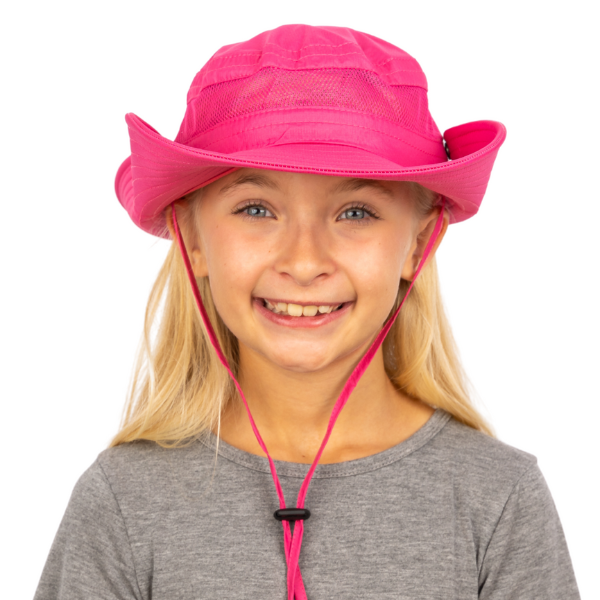
The brim is the single most important design variable. Three inches all the way around is the minimum for meaningful protection of your face, ears, and neck simultaneously. Most baseball caps have a 2.75-inch front brim and nothing elsewhere. Many fashion straw hats have a wide front brim that tapers or disappears at the back and sides. Measure from the crown to the brim edge — not just at the front.
Chin Cord
A wide brim catches wind. Without a chin cord, a hat becomes a liability the moment you're moving — hiking, boating, or any activity with airflow. A good chin cord with an adjustable toggle keeps the hat on your head where it belongs. It sounds minor until you've watched a $40 hat disappear into a lake.
Sweatband and Ventilation
A moisture-wicking sweatband keeps sweat out of your eyes and extends the comfortable wear time significantly. Ventilated crown panels — mesh inserts or grommeted vents — allow heat to escape from the top of the hat, where body heat accumulates most. In humid summer conditions, this is the difference between a hat you wear all day and one you take off every 20 minutes.
Weight and Packability
A sun hat you leave in the car because it's bulky isn't protecting anyone. The best summer hats pack flat or roll without permanent crease damage. Look for hats that can go in a daypack or beach bag without ceremony.
Hat Types Compared: What Each Does Well
| Hat Type | Best Use Case | UPF Available | Ear/Neck Coverage | Packable | Verdict |
|---|---|---|---|---|---|
| Wide-Brim (3"+) | All-day hiking, gardening, outdoor events | Yes (UPF 50+) | Full coverage | Yes (nylon) | Best overall summer option |
| Baseball Cap | Casual, sport, everyday | Rarely | None | Yes | Not adequate for extended sun exposure |
| Bucket Hat | Water activities, beach, travel | Sometimes (check label) | Partial (brim varies) | Yes | Good for water; verify UPF and brim width |
| Straw Hat | Fashion, casual outdoor dining | Rarely rated | Varies widely | No | UV protection is guesswork — skip for active use |
| Packable Wide-Brim | Travel, day trips, variable conditions | Yes (UPF 50+) | Full coverage | Yes | Best travel hat; same protection as standard wide-brim |
The Hat-Plus-SPF System
A wide-brim hat handles the scalp, ears, and neck — the areas where sunscreen is most often skipped or misapplied. Sunscreen handles the face, arms, chest, and shoulders. These two layers are complementary, not redundant.
The critical limitation of sunscreen is behavioral, not chemical. SPF 30 broad-spectrum applied correctly every 2 hours is highly effective. The reality is that most people apply once in the morning and call it done. Sweat, toweling off, and time all degrade protection. A hat requires zero reapplication. It's always on, always working.
For summer UV index 8 and above: UPF 50+ hat + SPF 30+ broad-spectrum sunscreen reapplied every 2 hours. The SunUp app tracks real-time UV index for your location and estimates safe exposure time based on your skin type — useful for planning when you actually need to reapply and when shade breaks matter.
GearTop Navigator and Discoverer: The Numbers
The GearTop Navigator has a 4.6/5 rating on CleverHiker. The Columbia Bora Bora — one of the most frequently recommended sun hats in the outdoor space — sits at 3.8/5. Both retail around $30. The Navigator is UPF 50+, has a 3-inch brim with consistent all-around coverage, a moisture-wicking sweatband, a ventilated crown, and a adjustable chin cord. The Discoverer is the wider-brim option for anyone who wants maximum coverage — face, ears, neck, and upper shoulder shade on a sunny day.
These aren't marketing claims. CleverHiker is an independent gear review site with a reputation for honest assessments. A 0.8-point rating gap between two hats at the same price point is significant.
Summer Sun Hat Features Checklist
- UPF 50+ rating (labeled, tested — not estimated)
- Brim width: 3 inches minimum, measured all the way around
- Chin cord with adjustable toggle
- Moisture-wicking sweatband
- Ventilated crown (mesh panels or vents)
- Lightweight fabric — under 4 oz for all-day comfort
- Packable without permanent creasing
- Light color (reflects heat; same UPF but cooler than dark fabrics)
- Adjustable fit (drawstring or size options)
If a hat misses more than two of these, it's a fashion accessory with some incidental sun-blocking properties. That's fine if that's what you need. For actual summer UV protection, hold to the list.
Shop GearTop Sun HatsRelated Reading
- UV Protection Hat Buyer's Guide
- Why Wear a Sun Hat? 12 Reasons That Actually Matter
- Sunscreen vs Sun Hats: Which Protects Better?





Leave a comment (all fields required)