




Published April 4, 2026 · 9 min read
How to Prevent Mosquito Bites When Fishing: 13 Tips That Work
Anyone who has fished near still water or wooded shorelines at dawn knows the problem. You've planned the trip, gotten up early, driven out — and within five minutes of launching, you're swatting instead of casting. Mosquitoes don't just cause discomfort. They can carry diseases serious enough to end outdoor seasons entirely, and the constant distraction degrades both your focus and your enjoyment.
There's no single fix. But there is a system that works — and it doesn't require dousing yourself in repellent or retreating to the truck at peak hours. Here's what actually prevents bites on the water.
Why Mosquitoes Are Especially Bad for Fishing
Fishing brings together almost everything that attracts mosquitoes: proximity to standing or slow-moving water (where they breed), early morning and evening hours (their peak activity windows), body heat and carbon dioxide from exertion, and the fact that you're largely stationary for extended periods. Movement alone helps deter mosquitoes — a walking hiker generates airflow. A seated angler on a calm day doesn't.
Water temperature matters too. Mosquitoes breed in standing water and are most active in the temperature range of 10–35°C. The best fishing often occurs in the same conditions that drive peak mosquito pressure: warm, humid, overcast days near productive backwater areas and shoreline vegetation.
Understanding Mosquito-Borne Disease Risk
Most mosquito encounters result in nothing worse than itching and irritation. But the diseases they can transmit are worth knowing:
- West Nile Virus (WNV): The most common mosquito-borne illness in North America. Most people infected show no symptoms; roughly 1 in 5 develop fever, headache, and body aches. Less than 1% develop severe neurological complications, but those cases can be serious. Older adults and immunocompromised individuals face higher risk.
- Eastern Equine Encephalitis (EEE): Rare but dangerous — mortality rate around 30% in symptomatic cases. Found primarily in the eastern US, particularly near freshwater swamps.
- Zika Virus: Transmitted by Aedes mosquitoes. Primarily a concern in tropical regions, but cases have occurred in the southern US. Serious risk during pregnancy.
- Dog Heartworm: Not a human health risk directly, but mosquitoes transmit the parasite to dogs. If you bring your dog to fishing spots, ensure heartworm prevention is current.
The practical takeaway: repellent use near water in endemic areas isn't overcaution. It's a reasonable precaution with low cost and meaningful protective benefit.
13 Tips to Prevent Mosquito Bites While Fishing
1. Choose Your Repellent Based on What You're Wearing
DEET (20–30% concentration) is the most effective and most researched repellent available. It works against mosquitoes, ticks, and a broad range of biting insects. The limitation for anglers: DEET degrades certain synthetic materials — fishing line, reel handles, and some rod coatings. If you're handling gear between reapplications, DEET can cause damage over time.
Picaridin (20%) is equally effective to DEET and causes no damage to synthetics. It also has a lighter, less oily feel and no solvent smell. For most fishing situations, Picaridin is the better choice. Oil of lemon eucalyptus (OLE) is an effective plant-based alternative — the CDC recommends it as comparable to low-concentration DEET.
2. Apply Repellent Before You're On the Water
Apply repellent 10–15 minutes before reaching the fishing spot, not after mosquitoes have found you. Once you're actively swatting, the repellent is playing catch-up. Most effective repellents take a few minutes to form a protective barrier. Apply to all exposed skin: hands, wrists, neck, and any area of the face not covered by a hat brim.
3. Cover as Much Skin as Possible With Clothing
Every square inch of skin covered by clothing is skin that doesn't need repellent and can't be bitten through. Long-sleeve fishing shirts, fishing pants or lightweight hiking pants, and a wide-brim hat together leave only hands and face exposed. That's a small target compared to a t-shirt and shorts.
The bonus: UPF 50+ fishing shirts and hats protect against UV at the same time. On a full day on the water, UV exposure and mosquito exposure are both significant hazards — clothing that addresses both simultaneously is more practical than managing each separately.
4. Wear Loose-Fitting Clothing
Mosquitoes can probe through tight-fitting fabric that's in close contact with skin. Loose clothing creates an air gap that prevents probing. Most fishing shirts are cut with some room — this is functional, not just stylistic. Tighter athletic wear worn next to water gives mosquitoes better access than a loose fishing shirt of the same material.
5. Choose Light Colors
Mosquitoes use visual contrast to locate hosts, particularly in the low-light conditions of dawn and dusk. Dark clothing — navy, black, dark green — is more visually prominent to them. Light tan, khaki, light gray, and light olive reduce visual contrast. Light colors also reflect solar heat rather than absorbing it, which reduces the heat signature that attracts mosquitoes. Practical double benefit for fishing in warm conditions.
6. Time Your Fishing Around Peak Activity Windows
Mosquito activity peaks at dawn (roughly 4–8 AM) and dusk (6–9 PM) and is typically suppressed during hot, sunny midday hours. If your target species are active across the day, starting mid-morning can reduce mosquito pressure significantly without sacrificing good fishing. Early season (spring/early summer) and late-season (fall) mosquito populations are also typically lower than midsummer.
The tradeoff: dawn fishing often coincides with the best bite windows for many species, particularly bass, walleye, and trout. In those cases, apply repellent and use a head net rather than skipping the best fishing hours.
7. Use a Head Net for High-Pressure Situations
Head nets are underused. They're lightweight, pack into a shirt pocket, cost almost nothing, and completely eliminate the face and neck from the mosquito equation without any repellent. The objection — they're uncomfortable or limit visibility — doesn't hold up for the fine-mesh versions designed for outdoor use. If you're fishing a known high-pressure backwater at dawn, bring one. You'll use it.
8. Avoid Still and Stagnant Water Areas
Mosquitoes breed in standing water and concentrate around it. Backwater ponds, beaver marshes, marshy shorelines, and areas with dense emergent vegetation hold far more mosquitoes than open moving water. Rivers and wind-exposed lake points typically have lower pressure than sheltered coves and backwaters. You won't always be able to choose your spot by mosquito pressure, but when you have the option, flowing or wind-exposed water is consistently better.
9. Treat Clothing with Permethrin
Permethrin is an insecticide applied to clothing (not skin) that remains effective through multiple washes. It kills mosquitoes and ticks on contact with treated fabric, not just repelling them. A single treatment of a fishing shirt provides protection for 6 weeks or 6 washes. Permethrin-treated clothing is particularly effective combined with a skin-applied repellent — the combination covers both direct skin exposure and the mosquitoes that land on clothing before finding an exposed area.
10. Keep Moving When Possible
A stationary angler is a better target than a moving one — no airflow disrupts mosquito approach. Trolling, float tubing with active kicking, and wading all generate enough movement to reduce mosquito landing rates. When shore fishing from a fixed position, a small portable fan directed toward your position disrupts mosquito flight patterns effectively. Mosquitoes are weak fliers — even a 2 mph airflow significantly reduces their ability to land.
11. Avoid Scented Products on the Water
Certain floral and sweet scents — perfumes, scented lotions, some sunscreens — attract mosquitoes and other insects. Use unscented personal care products when fishing. Choose unscented or neutrally-scented sunscreen specifically. This is doubly useful for fishing in general since strong scents can affect your success with certain species that are scent-sensitive.
12. Check the UV Index and Plan Sun Protection Simultaneously
Long days fishing on open water combine high UV exposure with mosquito pressure. Managing both at once with clothing is more practical than managing each separately. A long-sleeve UPF 50+ shirt handles UV from above; a wide-brim hat handles the face and neck. The SunUp app shows the UV index by hour for your fishing location — useful for knowing when to add sun protection coverage as the day progresses.
13. After Fishing: Check for Ticks
Mosquito prevention gear — long sleeves, long pants, repellent — also reduces tick exposure. But ticks require a deliberate check after any time near wooded or brushy shorelines. Check the hairline, behind the ears, back of the knees, and waistband. Remove ticks within 24 hours to substantially reduce transmission risk for Lyme disease. Keep the removed tick in a sealed bag if you want to have it tested.
Repellent Comparison for Anglers
| Repellent | Effectiveness | Gear Safe? | Best For |
|---|---|---|---|
| DEET 20–30% | Excellent — mosquitoes + ticks | No — damages synthetics | High-risk areas; use with care around gear |
| Picaridin 20% | Excellent — equal to DEET | Yes | Best all-around choice for fishing |
| Oil of Lemon Eucalyptus | Good — 2–3 hrs protection | Yes | Plant-based preference; shorter duration |
| Permethrin (clothing) | Excellent on treated fabric | Yes (applied to clothing only) | Shirt/hat treatment — long-lasting |
| Citronella | Poor — short duration | Yes | Not recommended as primary protection |
The Practical Fishing Mosquito Kit
This is what actually goes in the bag for a dawn fishing session in mosquito-heavy conditions:
- Picaridin 20% spray — apply to exposed skin before launch
- Long-sleeve UPF 50+ fishing shirt (light color, loose fit)
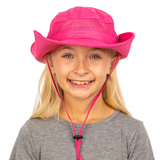
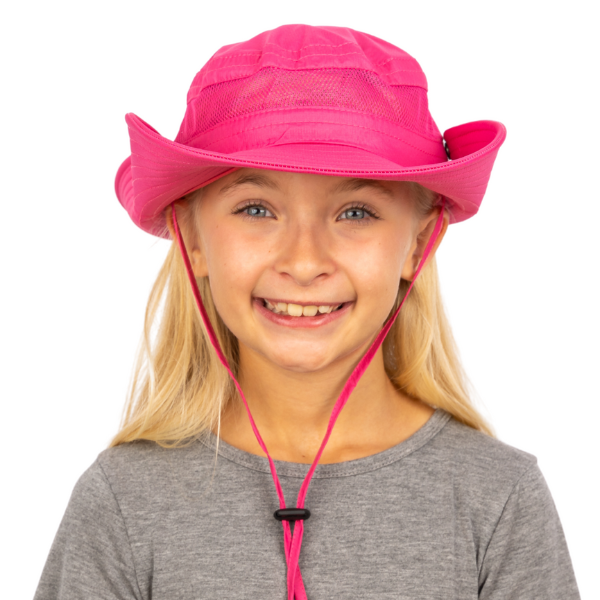
- Wide-brim UPF 50+ hat with chin cord
- Head net — in shirt pocket, ready to deploy
- Lightweight fishing pants or nylon hiking pants
- Permethrin-treated shirt and pants if peak season
Combined, this kit protects against both mosquitoes and UV exposure across a full day on the water. The UPF clothing does double duty — UV above and reduced bite exposure for covered skin. Check the SunUp app before launch to know what UV index you're fishing in, and plan your sun protection accordingly alongside your mosquito prevention.





Leave a comment (all fields required)