






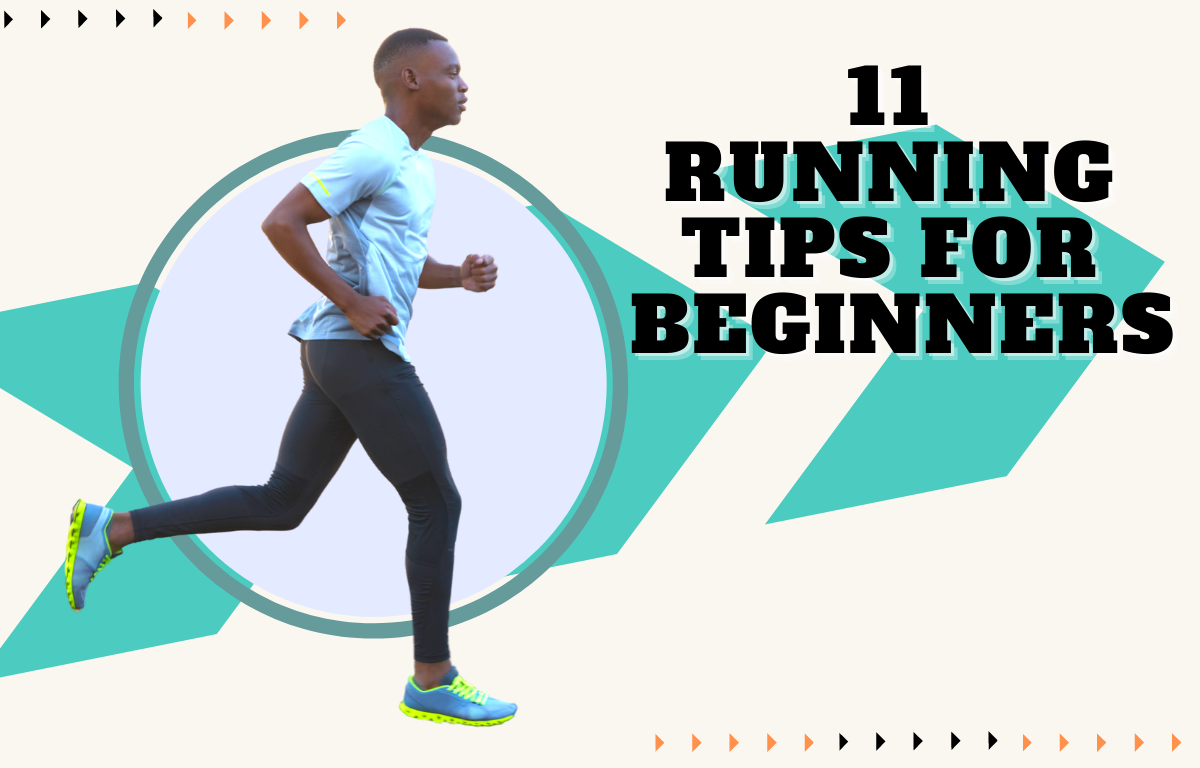
11 Outdoor Running Safety Tips for Beginners: Sun Protection, UV Risks, and What to Wear
Starting a running habit is one of the best things you can do for your long-term health. It's also one of the fastest ways to rack up significant sun exposure without realizing it. New runners focus entirely on pacing, shoes, and avoiding injury — which makes sense. But UV exposure and heat risk deserve a spot on that list too. Miss either for a full training season and you'll pay for it, one way or another.
Before You Head Out
Tip 1: Check the UV Index Before Every Run
The UV index is a daily forecast of ultraviolet radiation intensity — the most useful number a runner can check before going outside. It runs from 0 (no risk) to 11+ (extreme). Here's the practical guide:
- UV 0–2: Minimal risk. SPF optional for short runs.
- UV 3–5: Moderate. SPF 30+ and a hat recommended.
- UV 6–7: High. Full protection needed — hat, SPF, and consider UPF sleeves.
- UV 8–10: Very High. Shift run timing if possible. Full protection mandatory.
- UV 11+: Extreme. Early morning or evening only.
Most weather apps display UV index alongside temperature. Check it every time — it changes significantly by season, time of day, and location.
Tip 2: Time Your Runs to Avoid Peak UV Hours
UV peaks between 10 AM and 4 PM. Running before 9 AM or after 5 PM cuts your UV exposure dramatically — this single scheduling habit prevents more UV damage than any sunscreen strategy. Morning runs also tend to be cooler, reducing heat illness risk. As a beginner building a habit, locking in a consistent early morning run time solves UV risk, heat risk, and training consistency in one decision.
Tip 3: Apply Sunscreen Before You Dress
Apply sunscreen before putting on your running clothes — it ensures full coverage at transition areas (collar line, sleeve edges) where clothing gaps often leave skin exposed. Use a water-resistant broad-spectrum SPF 30+ and give it 15–20 minutes to bond before you start. Don't skip the ears, the back of the neck, and your lips. These are the spots most commonly missed and most commonly burned on runners.
What to Wear for UV Protection
Tip 4: Wear a Wide-Brim UPF 50+ Hat
A hat with a 3-inch or wider brim and a UPF 50+ rating is the single most important piece of sun protection gear for a runner. It blocks 98% of UV from your face, neck, and ears — the three highest-risk zones — without degrading in sweat and without needing mid-run reapplication. It works whether you forget to reapply sunscreen or not.
Baseball caps are a common mistake. They shade your face from direct overhead sun but leave your ears and the back of your neck fully exposed — two of the most common skin cancer locations in outdoor athletes. If you run regularly outdoors, a wide-brim hat is a worthwhile upgrade.
Tip 5: Choose Light Colors and Loose Fit
Light-colored clothing reflects more solar radiation than dark colors, reducing the heat load on your body during summer runs. Loose, breathable fabrics allow airflow that helps regulate core temperature. For UV protection specifically, tight-weave fabric provides more UV blocking than loose-weave — but either is better than bare skin. Look for UPF-rated running shirts if you regularly run during peak UV hours.
Tip 6: UPF Arm Sleeves for Longer Runs
For runs over 60 minutes between 9 AM and 4 PM, lightweight UPF 50+ arm sleeves provide consistent UV protection for your arms and shoulders without the weight or warmth of a full long-sleeve shirt. They're moisture-wicking, don't restrict movement, and can be pushed down or removed during cooler sections. A practical upgrade for anyone training for a half marathon or longer during summer.
Tip 7: UV-Protective Sunglasses
The skin around your eyes is among the thinnest on your body and among the first to show UV-related aging. UV-protective sport sunglasses (100% UV400 blocking) protect both eyes and periorbital skin. Wraparound styles prevent UV from entering at the sides — important for runners who are moving through bright environments. They also reduce glare from reflective road surfaces, which is a legitimate safety benefit for road runners.
During Your Run
Tip 8: Reapply Sunscreen on Long Runs
Water-resistant sunscreen needs reapplication every 80 minutes during active sweating. For runs under 60 minutes, one application before you head out is usually sufficient. For longer runs — anything over 90 minutes — plan for mid-run reapplication. Carry a small SPF 50+ sunscreen stick in a pocket or a running vest. A stick format is easier to apply on the move than a cream or spray.
Tip 9: Hydrate Before You Feel Thirsty
Thirst is a lagging indicator — by the time you feel thirsty during a run, you're already mildly dehydrated. For runs over 30 minutes in warm weather, drink 4–8 oz of water every 15–20 minutes. For runs over 60 minutes, an electrolyte drink or gel helps replace sodium lost through sweat. Dehydration worsens heat illness risk significantly and also accelerates the skin damage UV causes by reducing your skin's natural protective mechanisms.
Tip 10: Know the Warning Signs of Heat Illness
Heat exhaustion and heat stroke are real running injuries — and beginners are more vulnerable because their bodies haven't yet adapted to exercising in heat. Know what to watch for:
- Heat exhaustion: Heavy sweating, weakness, cool/pale/clammy skin, fast weak pulse, nausea, muscle cramps. Stop running, move to shade, drink water, cool down.
- Heat stroke (medical emergency): High body temperature (103°F+), hot/red/dry skin, rapid strong pulse, confusion, possible unconsciousness. Call 911 immediately and cool the person by any means available.
If you stop sweating during a hot run and feel confused or dizzy, stop running immediately. That's a heat stroke warning sign, not a signal to push through.
Tip 11: Slow Down on High UV/Heat Days
Running intensity in heat and UV generates more internal heat and drives more sweat (which degrades sunscreen faster). On days with a UV index above 7 or a heat index above 90°F, reducing your pace by 10–15% isn't weakness — it's physiology. Your cardiovascular system is already working harder to cool you down. Forcing race pace on top of that raises heat stroke risk meaningfully, especially for beginners whose bodies are still adapting to the training load.
A Simple Pre-Run Checklist for Beginners
- ☐ Checked UV index and temperature?
- ☐ Applied water-resistant SPF 30+ (including ears and back of neck)?
- ☐ Wearing UPF 50+ wide-brim hat?
- ☐ Wearing UV-protective sunglasses?
- ☐ Have water or planned hydration for runs over 30 min?
- ☐ Carrying sunscreen stick for runs over 80 min?
- ☐ Running before 9 AM or after 5 PM during summer if UV is high?
Related Reading
- Runner's Complete Guide to UV Protection
- 7 Ways to Stay Safe While Running Outdoors
- Running Safety Gear: UV and Reflective Protection
Frequently Asked Questions
Beginner runners should wear a wide-brim UPF 50+ hat (covers face, neck, and ears — the highest-risk UV zones), apply water-resistant SPF 30+ to all exposed skin before running, and consider UPF arm sleeves for runs over 60 minutes during peak UV hours. The hat is the most reliable option because it doesn't wash off with sweat and doesn't need mid-run reapplication.
Running before 9 AM or after 5 PM keeps UV exposure minimal — UV index is typically 2 or below outside these hours in summer. This also helps beginners avoid heat exhaustion, since temperatures are cooler in early morning. UV peaks between 10 AM and 4 PM; running during this window without full sun protection is the most common UV mistake new runners make.
Yes — UV damage begins within minutes of sun exposure and is cumulative. A 30-minute run at UV index 6–7 (common in summer between 10 AM and 2 PM) can cause meaningful skin damage in lighter-skinned runners. Even short runs add up across a training season. Apply SPF 30+ before every outdoor run during daylight hours, regardless of planned duration.
For UV protection, a wide-brim hat (3 inches or more) with UPF 50+ rating is best — it shields face, neck, and ears throughout the run. Look for lightweight, moisture-wicking fabric and an adjustable drawcord or chin strap to keep it secure at running pace. Baseball caps protect only the face from direct overhead sun, leaving ears and the back of the neck exposed.
To avoid heat exhaustion: run before 9 AM or after 5 PM in summer, drink 4–8 oz of water every 15–20 minutes during runs over 30 minutes, wear light-colored moisture-wicking clothing, reduce pace by 10–15% on high heat/humidity days, and recognize early warning signs — heavy sweating, weakness, dizziness, or nausea. Stop and find shade if any symptoms appear.
The Bottom Line
Running is worth doing. UV damage and heat illness are worth preventing. The habits that keep you safe outdoors are the same habits that keep you running consistently for years — because a severe sunburn or heat exhaustion episode is a forced rest day, and accumulating UV damage means skin problems later. Build the checklist above into your routine from the start and you'll spend your running career focused on the part that matters: getting stronger.
Explore GearTop UPF 50+ Running Hats →Sources: American Academy of Dermatology (AAD) | CDC Heat Illness | EPA UV Index | Skin Cancer Foundation






Leave a comment (all fields required)