




Published April 4, 2026 · 9 min read
Beach Essentials: What to Bring for a Safe, Sun-Smart Beach Day
Most beach packing lists are exactly the same: towel, sunscreen, snacks, book. They're not wrong — but they treat sun protection as an afterthought item four items down the list. For a day at the beach in summer at UV index 9 or 10, it shouldn't be.
Here's a beach essentials list that puts the UV problem where it belongs: at the top.
The Sun Protection Core (Non-Negotiable)
1. Wide-Brim Sun Hat — UPF 50+
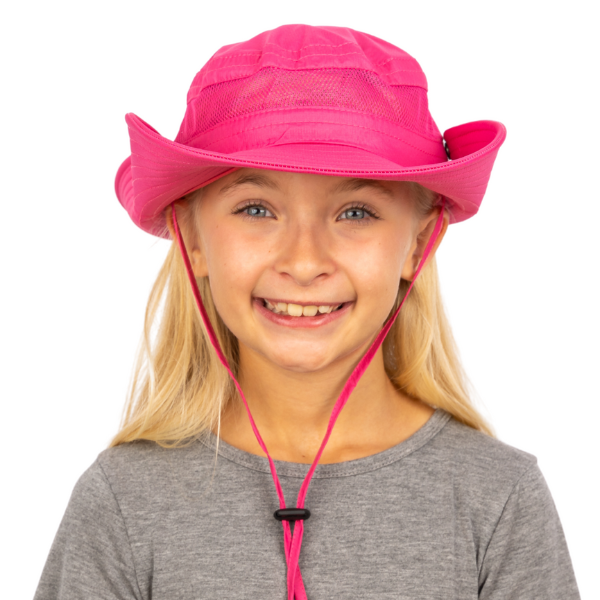
A hat with a 3-inch+ all-around brim is doing more UV work than almost anything else on this list. It shades the face, ears, and neck continuously, without reapplication, without sweating off. A baseball cap leaves your ears and neck completely exposed — at the beach, where UV hits from above and reflects up from sand and water, that's a significant gap.
Look for UPF 50+ certified fabric (blocks 98% of UV), a chin cord to handle ocean breeze, and a moisture-wicking sweatband for comfort. GearTop's Navigator and Discoverer hats hit all these marks — 4.6/5 stars from 2,400+ verified buyers, at the same price as Columbia's comparable hat (3.8/5 stars).
2. Broad-Spectrum Sunscreen SPF 30+
Bring more than you think you need. Most people apply 20–50% of the recommended amount, which drastically reduces real-world SPF. The rule is 1 oz (a shot glass worth) to cover the entire adult body. For a day at the beach with multiple reapplications, a family of four goes through a lot of sunscreen.
Apply 15–20 minutes before sun exposure. Reapply every 80 minutes when swimming, every 2 hours when dry. Water-resistant doesn't mean waterproof — it means the SPF holds for 40–80 minutes in water, then it's gone. After any extended swim, reapply before lying back down.
Broad-spectrum means it protects against both UVA and UVB. SPF alone only measures UVB protection — check for "broad-spectrum" on the label.
3. UV-Blocking Sunglasses (UV400)
Photokeratitis — a sunburn of the cornea — is miserable and surprisingly easy to get at the beach. UV from above and reflected off water hits your eyes from multiple angles. Any sunglasses rated UV400 block 99–100% of UV. Price doesn't determine UV protection — a $15 pair with UV400 certification blocks as much UV as a $300 pair. What you're paying for at higher prices is lens quality, polarization, and durability, not UV blockage.
Wraparound frames are better at the beach than fashion sunglasses because UV comes from the sides too.
4. UPF Cover-Up or Shirt
For time out of the water — eating lunch, reading, walking along the shore — a UPF 50+ cover-up handles arm and torso UV without relying on sunscreen that's been degraded by swimming. A lightweight UPF shirt or sarong worn over a swimsuit during midday (10 AM–4 PM) is the simplest way to significantly reduce cumulative UV dose on a full beach day.
The Rest of the Beach Bag
Once sun protection is handled, the rest of the beach list is genuinely about comfort and convenience rather than safety.
Beach Towel or Mat
Quick-dry microfiber towels are lighter and pack smaller than cotton. A large sand-resistant mat is worth it for long days — sand sticks less and you stay cooler than on a dark beach towel that absorbs heat. Nothing technical here. Get something big enough that you're not rearranging every time someone shifts.
Water and Hydration
A cooler or insulated bag with significantly more water than you think you need. Heat, sun, saltwater, and physical activity combine at the beach in ways that drive dehydration faster than most people expect. Adults should drink at least 8 oz of water every 20–30 minutes in hot sunny conditions. Kids need even more relative to their body weight.
Avoid relying on beverages that accelerate dehydration — coffee, alcohol, highly sweetened drinks — as your primary beach fluids.
Beach Tote Bag
Canvas or sailcloth holds up well to wet towels and sand. Look for a bag with multiple pockets — sunscreen and sunglasses in a dedicated outer pocket means they're actually accessible when you need to reapply, rather than buried under everything else. If things are buried, reapplication doesn't happen.
First Aid Basics
A small kit with: antiseptic wipes and bandages (for cut feet on rocks or shells), aloe vera gel for mild sunburn relief, antihistamine tablets (jellyfish stings, bee stings), and pain reliever. You probably won't need any of it. But the one time you do, you'll be glad you have it.
Waterproof Phone Case or Dry Bag
Sand and salt water both destroy phones in ways that most manufacturers won't cover under warranty. A waterproof pouch costs a few dollars and provides real protection. It also means you can check the SunUp app to track UV index in real time and know exactly when to reapply or move to shade.
Shade Option
A beach umbrella or popup canopy is the most effective UV reduction tool available — it blocks direct UV entirely for anyone underneath it. The limitation: sand and wind can reduce stability, and umbrellas don't protect against reflected UV from water or sand hitting you from the sides and below. Use shade as a supplement to sunscreen and hat coverage, not a replacement.
UV Exposure Timeline: A Typical Beach Day
| Time | UV Index (Summer) | Action |
|---|---|---|
| 7–9 AM | 1–3 (Low) | Apply SPF + hat before leaving |
| 9–11 AM | 4–7 (Moderate–High) | Full protection on; reapply if swimming |
| 11 AM–2 PM | 8–11 (Very High–Extreme) | Seek shade; cover-up; reapply every 80 min |
| 2–4 PM | 6–8 (High) | Maintain protection; still significant UV |
| After 4 PM | 2–4 (Low–Moderate) | Relaxed but don't stop entirely |
The SunUp app shows your specific location's UV index by the hour, and calculates your personal estimated burn time based on Fitzpatrick skin type. Worth having open on beach days.
Related Reading
- Best Sun Hat for Summer
- Sunscreen vs Sun Hats: Which Protects Better?
- UV Protection Hat Buyer's Guide






Leave a comment (all fields required)