




Published April 4, 2026 · 10 min read
30 Camping Hacks That Actually Work
Camping is where preparation matters more than improvisation. The hacks that stick are the ones that solve real problems before they happen: food that stays fresh, fire that starts on the first try, sun that doesn't end your trip early. Here's what works.
Food and Meal Prep
1. Pack spices in Tic Tac containers. Empty Tic Tac containers hold a surprising amount of spice, stack well, and have a flip-top that won't come loose in a pack. Label them with tape. Bring salt, pepper, garlic powder, and whatever you actually cook with — camp food doesn't have to be flavorless.
2. Pre-crack and season eggs before you leave. Crack them, whisk with salt and pepper, pour into a wide-mouth sealable jar. They keep 1–2 days in a cooler and pour directly into the pan. No shells to deal with at camp, no cracking on rocky terrain.
3. Vacuum-seal everything you can. Vacuum-sealed food stays fresher longer, takes up less pack space, and is more pest-resistant than zip-locks. Do it the night before. It takes 20 minutes and makes a real difference on trips longer than two nights.
4. Freeze gallon jugs of water instead of buying bags of ice. They don't leak as they melt, they cool the cooler more evenly, and when the ice melts you have drinking water. Better than ice bags in almost every way.
5. Use a muffin tin as a condiment station. Pour ketchup, mustard, relish, and other condiments into individual cups. Pass it around the table like a serving tray. Eliminates the bottle-passing circus at mealtime.
6. Bring a strainer bag for dishes. A mesh bag catches food scraps when you're washing dishes at the water source. Keeps food waste out of the water, which is both Leave No Trace and reduces the smell that attracts animals.
7. Freeze meals solid before packing. Pre-cooked frozen meals act as additional ice packs on day one and thaw into ready-to-reheat dinners by the second night. Chili, stew, and soup work best.
8. Use silica gel packets in your cookware. When you're back home storing camp cookware, drop a silica gel packet into each pot. Prevents rust and mildew between trips. Free if you save the packets from product packaging.
Fire Starting
9. Cotton balls and petroleum jelly. Soak cotton balls in Vaseline and store them in a small zipper bag. They ignite with a spark, burn for 2–3 minutes, and will light damp kindling. The most reliable DIY fire starter there is. Make 10–15 before any trip.
10. Wax-dipped egg carton sections. Fill egg carton cups with dryer lint, pour melted candle wax over them, let harden. Cut apart. Each cup burns for 5–8 minutes — long enough to establish a solid fire base. Free to make and they work in wind.
11. Store matches in a pill bottle with a striker strip. Waterproof, compact, and keeps a striking surface dry when your matchbox gets wet. Cut a strip of sandpaper from the box before you leave.
12. Carry a lighter and a backup lighter. The backup lighter has saved more camping trips than any DIY fire-starting trick. A BIC lighter costs almost nothing and weighs almost nothing. Carry two.
13. Rosemary on the coals. A few sprigs of fresh rosemary tossed on hot coals adds flavor to anything grilling above. Works with thyme too. Cheap, packable, and makes camp cooking taste like you planned it.
Sun Protection and Heat Management
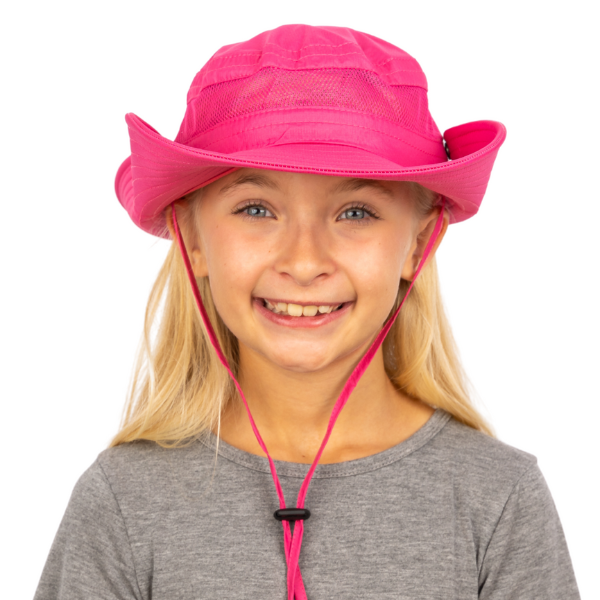
14. Wear your wide-brim hat all day, not just in peak hours. UV builds from the moment the sun clears the horizon — not just between 10 AM and 4 PM. A UPF 50+ wide-brim hat is the single most effective piece of sun protection equipment because it works continuously without reapplication. GearTop's Navigator hat (UPF 50+, packable, chin cord, moisture-wicking sweatband) was designed for exactly this kind of full-day outdoor exposure. Check the SunUp app before setting up camp to know what UV index you're working with that day.
15. Apply sunscreen before breakfast, not before you feel the sun. Most people wait until they notice sun exposure — by then, they've already spent an hour getting UV. Apply SPF 30+ broad-spectrum as part of your morning routine at camp. Reapply every 80–90 minutes during active outdoor time, or after swimming.
16. Schedule your biggest mileage before 10 AM. If your camp day involves a long hike or exposed paddle, front-load it in the early morning. You'll cover more ground in better conditions and avoid peak UV hours in the most exposed terrain. Plan the rest of the day around shade, water, and lighter activity.
17. Use your rain tarp as a sun shade at camp. Most campers only deploy a tarp when it rains. Rigged at the right angle, a tarp creates a shaded lounging area during peak midday sun. The same setup that keeps you dry at night keeps you cool at noon.
18. Hang a wet bandana around your neck during hot midday hours. Evaporative cooling on the neck reduces perceived temperature meaningfully. Re-wet it every 20–30 minutes. Works in any dry heat condition.
19. Use Picaridin (not DEET) around camp gear. DEET-based repellent degrades synthetic tent fabrics, trekking pole grips, watch crystals, and fishing gear over time. Picaridin 20% is equally effective against mosquitoes and ticks and causes no damage to synthetics. Better choice for the campsite.
Shelter, Sleep, and Comfort
20. Stuff your sleeping bag with tomorrow's clothes. Clothes stored inside your sleeping bag stay warm overnight. You wake up to pre-warmed gear instead of cold fabric — meaningful on chilly mornings at elevation.
21. Put a tarp under your tent, not just inside it. A ground tarp under the tent footprint keeps moisture from wicking up through the tent floor. Fold the edges under so they don't channel rain toward the tent instead of away from it.
22. Use foam sleeping pad sections under your sleeping bag. Even a good sleeping bag loses insulation underneath you from compression. A foam pad underneath adds R-value where you need it most — between you and the ground.
23. Hang a headlamp from the top of your tent for ambient light. Pointing a headlamp upward at the tent ceiling turns it into a lantern that lights the whole space. Keep one accessible without unzipping your sleeping bag.
24. Bring earplugs. Wildlife, other campers, water sounds, and wind all interrupt sleep. Earplugs weigh nothing. They've saved more camping nights than any sleep system upgrade.
Organization and Pack Management
25. Use a hanging shoe organizer for camp kitchen gear. The plastic pocket kind, hung from a tree branch or line, organizes utensils, spices, and small cooking tools within arm's reach. Frees up the cooler lid and picnic table for actual cooking.
26. Color-code your dry bags. Red for first aid, blue for clothes, yellow for food, green for electronics. You'll find what you need at night without unpacking everything. Takes five seconds of thought before each trip.
27. Keep your car key in one specific pocket — always. Tent pocket, sleeping bag pocket, jacket pocket. Pick one and never deviate. The amount of camp-end stress eliminated by this single habit is disproportionate to how simple it is.
28. Pack a small stuff sack of camp repair items. Duct tape (wrapped around a water bottle to save space), a needle and thread, spare tent pole repair sleeve, and two or three extra stakes. These items weigh almost nothing and have salvaged trips that would otherwise have ended early.
Leave No Trace and Wildlife
29. Pack out everything, including the obvious stuff. Orange peels, apple cores, and nutshells take months to decompose and attract animals. Everything you eat generates waste that goes out. Bring an extra bag specifically for garbage and organic matter from the campsite.
30. Store all food and scented items in your car or a bear canister — not in or near the tent. Toothpaste, sunscreen, lip balm, and snack wrappers all attract bears and rodents. A single incident of wildlife getting into your food typically ends the trip. Don't gamble on it.
Quick-Reference: What to Prep the Night Before
| Task | Time | Why It's Worth Doing |
|---|---|---|
| Vacuum-seal or portion food | 20 min | Freshness, pack space, pest resistance |
| Make petroleum jelly fire starters | 5 min | First-strike fire in any weather |
| Pre-crack and season eggs | 5 min | Eliminate shell debris at camp |
| Freeze gallon jugs of water | 1 min | Ice + drinking water in one |
| Check UV index forecast (SunUp app) | 1 min | Plan sun protection and shade schedule |
| Charge headlamps and devices | 0 min (plug in, walk away) | Dead electronics end trips early |
Related Reading
- Hiking Essentials for Beginners
- Hiking Outfit Guide: What to Wear Hiking in Every Season
- UV Protection Hat Buyer's Guide


Leave a comment (all fields required)