




Published: April 4, 2026
Sun Protection When Fishing: 11 Tips for a Full Day on the Water
Fishing is one of the highest UV exposure activities there is. You're outdoors for 6 to 10 hours, typically with no shade, and you're on reflective water the entire time. Most other outdoor activities — hiking, running, cycling — at least give you tree cover occasionally. On a boat or dock, the sun hits you from above and reflects back from below. The UV index numbers don't care how relaxing the activity is.
Skin cancer rates among anglers are disproportionately high relative to other outdoor recreationists — the Skin Cancer Foundation identifies chronic outdoor workers and enthusiasts as a high-risk group. That's not a coincidence — it's accumulated exposure without protection. The good news is that a systematic approach to gear and timing makes this manageable without changing how you fish.
11 Sun Protection Tips for Fishing
1. Start with a Wide-Brim UPF 50+ Hat
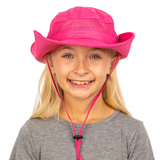
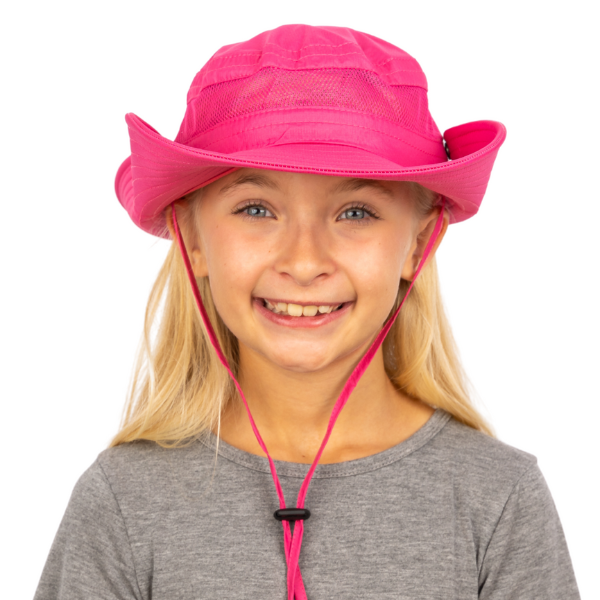
Not a cap. A cap protects your forehead and that's it. Your ears, the back of your neck, and the sides of your face are all fully exposed — and these are among the most common sites for skin cancer in outdoor workers and anglers. A wide-brim hat (minimum 3 inches all around) with a UPF 50+ rating and a chin cord covers all of it. The chin cord matters on a boat — hat brims catch wind at speed and a cord is the difference between wearing the hat and chasing it across the water.
The GearTop Navigator has a 4.6/5 rating on CleverHiker. It's moisture-wicking, ventilated, and packable. It handles the face, ears, and neck as a single solution.
2. Wear a UPF 50+ Long-Sleeve Fishing Shirt
A technical fishing shirt in UPF 50+ fabric covers both arms and your torso without you thinking about it. Reapplication isn't a factor — the UPF is built into the fabric and doesn't degrade with sweat or normal washing. Lightweight moisture-wicking polyester or nylon is cooler than a cotton T-shirt once you're active. Light colors reflect heat. Vented back panels make a difference on a full day in the sun.
3. Apply SPF 50+ Broad-Spectrum Sunscreen Before You Launch
Apply to your face, neck, ears, hands, and any exposed skin at least 15 minutes before you hit the water. Broad-spectrum means it covers both UVA (aging, deep tissue damage) and UVB (burning). Water-resistant formula is non-negotiable for any water activity. SPF 50 is the practical ceiling — SPF 100 sounds better but the real-world difference in protection is marginal when application and reapplication habits are the actual variable.
4. Reapply Sunscreen Every 80 Minutes on the Water
Water-resistant sunscreen degrades with water exposure, sweat, and toweling. The FDA definition of "water-resistant" covers 40 to 80 minutes of water activity — not a full day. Set a timer. Reapply at minimum every 80 minutes when you're active on the water. Pay attention to the hands and face — these are the highest UV exposure areas and the most frequently missed on reapplication.
5. Wear UV-Blocking Sunglasses (UV400)
UV400 is the rating that means the lenses block 99 to 100% of UV radiation up to 400 nanometers — which covers both UVA and UVB completely. Polarized lenses are a separate feature (they reduce glare from the water surface) but do not automatically mean UV protection. Check for both. Extended UV exposure to eyes without protection increases risk of cataracts and macular degeneration over time. On a boat with high-reflection water, this is high-stakes exposure every hour you're out.
6. Use Picaridin Insect Repellent — Not DEET
DEET is effective but it dissolves synthetic materials — fishing line, mono, synthetic shirt fabrics, and even some rod coatings. This is a well-documented problem that most fishing articles don't mention. Picaridin 20% provides equivalent protection to DEET 30-40% against mosquitoes and biting insects, with none of the gear damage. It's also less greasy and doesn't leave residue on your hands when you're handling lures or bait.
7. Choose Loose, Light-Colored Clothing
Loose-fitting clothing allows air circulation, which reduces core temperature in hot conditions. Light colors (white, light grey, tan) reflect more solar heat than dark colors, even at the same UPF rating. The UPF rating is about UV blockage — the color is about thermal comfort. For a summer day on the water, this is a meaningful comfort difference over 8 hours.
8. Wear UPF Gloves for Hand Protection
Hands are one of the most UV-exposed areas on a fishing trip — they're extended forward toward the water while casting or handling gear, and they're often wet, which means sunscreen has degraded. UPF 50+ sun gloves cover the back of the hand (the highest exposure area) while leaving fingertip flexibility for knot-tying and hook handling. GearTop's touch-screen compatible sun gloves work with fish finders, phones, and tackle apps without removing them. This is not optional on a full-day trip.
For the full outdoor activity gear range including gloves, see GearTop outdoor activity gear.
9. Schedule Shade Breaks During 11am–2pm
UV index peaks between 11am and 2pm in most North American locations during summer. This is the window where UV is 2 to 3x more intense than early morning or late afternoon. Move to the shadow side of the boat, get under a canopy, or break for lunch onshore. Even 20 to 30 minutes off peak UV reduces total daily dose meaningfully. Most anglers treat this time as prime fishing — it may be, but it's also peak damage time, and a short shade break is worth building into the schedule.
10. Check UV Index Before You Head Out
A UV index of 3 requires different gear choices than a UV index of 10. Checking it takes 30 seconds and lets you calibrate how aggressive your protection needs to be for the day. The SunUp app gives you real-time UV index for your specific location, 48-hour UV forecasts, and estimates safe exposure time based on your skin type. On a cloudy day when the UV looks low — cloud cover reduces UV by only 20-40%, not 80 or 90% as most people assume — this kind of real data changes behavior.
11. Know the Warning Signs of Heat Illness
UV damage and heat illness are related but distinct problems. Prolonged sun exposure without adequate hydration, combined with physical activity and high temperatures, creates real heat stroke risk. Early signs: heavy sweating, weakness, cold or pale skin, weak rapid pulse, nausea. Heat stroke (the serious version): high body temperature (103°F+), hot dry skin, rapid strong pulse, confusion. The treatment for heat exhaustion is getting into shade and hydrating immediately. Heat stroke is a medical emergency — call 911. Know the difference before you're on the water.
UV Risk by Time of Day: Quick Reference
| Time of Day | Typical UV Level | Water Reflection Factor | Recommended Action |
|---|---|---|---|
| Before 9am | Low (UV 1–3) | Present but lower angle | Hat + sunscreen; clothing optional |
| 9am–11am | Moderate–High (UV 4–7) | Moderate | Full protection: hat, UPF shirt, SPF 50+, sunglasses |
| 11am–2pm | High–Very High (UV 7–10+) | Maximum (direct + reflected) | All protection + shade break; reapply sunscreen |
| 2pm–4pm | Moderate–High (UV 5–8) | Moderate | Maintain full gear; reapply if on water |
| After 4pm | Low–Moderate (UV 2–4) | Lower angle, reduced | Hat + face sunscreen adequate for most |
UV levels above vary by season, latitude, and cloud cover. Summer peak UV is at its highest June through August. The SunUp app provides location-specific UV data rather than these general estimates.
Shop GearTop Sun Hats for Fishing



Leave a comment (all fields required)