






Extreme Heat Sun Protection: The Gear That Works When It's 37°C
Southern Ontario is under an Environment Canada heat warning this week: highs up to 37°C, humidex values pushing 45, overnight lows that barely dip below 24°C, and a UV index peaking at 9.5 — Very High. Today is forecast as the peak. If you have to be outside — walking the dog, working, getting kids to camp — what you wear decides how long you can safely stay out there.
Heat and UV are two different problems — dress for both
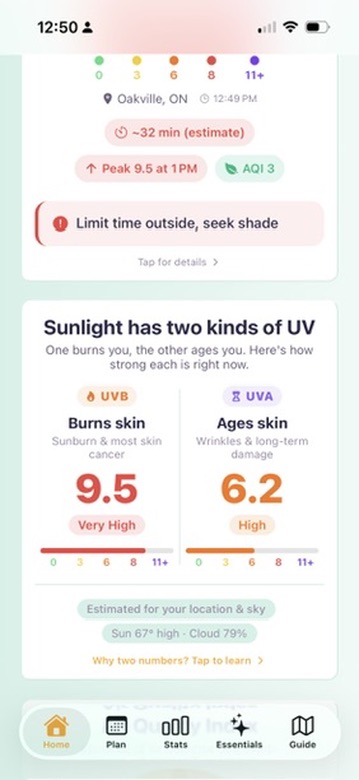
The 37°C is what you feel. The UV 9.5 is what you don't. Temperature comes from the air mass; UV comes from the sun's angle and a cloudless sky — and this week both are maxed out at the same time. At UV 9+, unprotected fair skin starts burning in roughly 15 minutes, and the free SunUp app is showing a safe-exposure estimate of about 30 minutes at midday in Oakville — with protection.
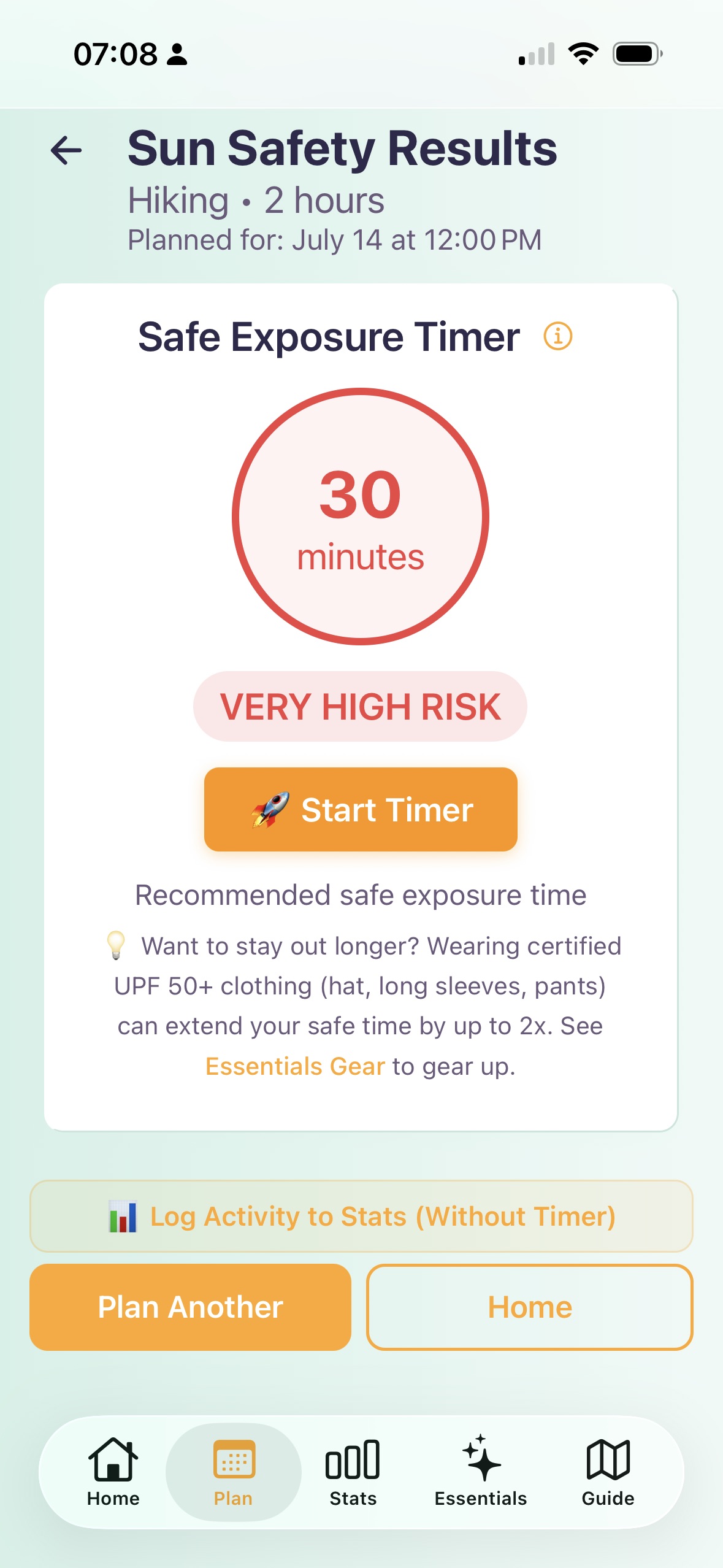
Here's the part that matters for gear: that same app tip points out that certified UPF 50+ clothing — hat, long sleeves, pants — can extend your safe time by up to 2x. In a week like this, your clothing is doing real protective work, not just keeping you comfortable.
The wide-brim hat is non-negotiable
Environment Canada's own heat warning tells you to wear "lightweight, light-coloured, loose-fitting clothing and a wide-brimmed hat." Not a ball cap — a wide brim. The difference is your ears and neck, two of the three most common spots Canadians burn, and the ones a baseball cap leaves fully exposed.
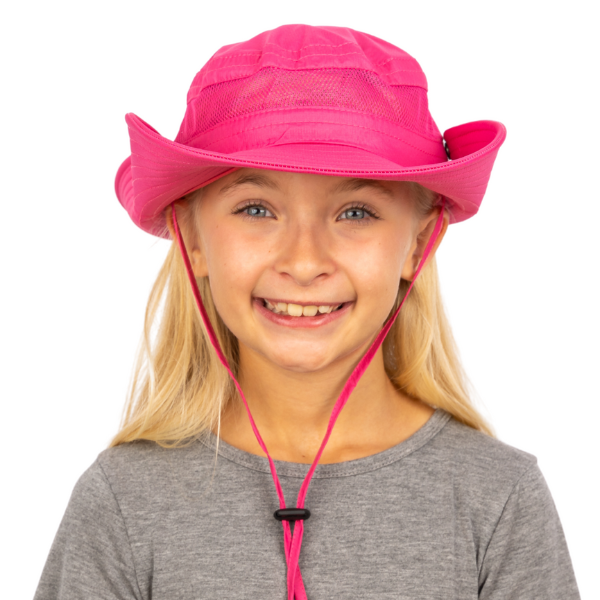
This is exactly what the GearTOP Navigator was built for: UPF 50+ certified fabric, a full wide brim, a mesh panel for the heat, and an adjustable chin strap for the lakefront wind. It's rated 4.6/5 stars by 2,400+ Amazon reviewers — against 3.8/5 for the Columbia Bora Bora at the same $29.99 — and CleverHiker called it the "best bang for your buck with incredible field performance."
Shop the Navigator UPF 50+ Hat on Amazon →The extreme-heat checklist
What to wear
- Wide-brimmed UPF 50+ hat — shades face, ears, and neck; keeps direct sun off your head
- Lightweight long sleeves in UPF fabric — counterintuitive, but breathable UPF 50+ fabric blocks ~98% of UV and beats bare skin with sunscreen that sweats off in this humidity
- Light colours, loose fit — reflects heat and lets air move
- UV-blocking sunglasses — your eyes burn too
- Broad-spectrum SPF 50+ on whatever stays exposed — reapplied every 2 hours, more often when you're sweating like this
When to go out
- Before 10 AM or after 4 PM. Today's UV peaks at 9.5 around 1 PM; tomorrow eases to 7.7 — better, still High.
- Drink water before you feel thirsty. Dark urine means you're already behind.
- Plan shade stops. Big-tree parks, splash pads, and air-conditioned spaces are your route markers this week.
Know when the heat is winning
Heat exhaustion — stop, find shade, drink water: headache, nausea, dizziness, intense thirst, dark urine, unusual fatigue.
Heat stroke is a 911 call: hot red skin, confusion, or a change in consciousness. While you wait for help, move the person somewhere cool, remove extra layers, and apply cold water or ice packs. Check on older neighbours and anyone living alone — more than once a day during this event.
Check the UV before you head out — free
SunUp by GearTOP is our free iOS app: real-time UV index for your exact location, a personalized safe-exposure timer, a 48-hour forecast, and — new this week — a separate UVA/UVB reading so you can see the burning rays and the aging rays independently. It's how we generated the 30-minute number above.
Frequently Asked Questions
Lightweight, light-coloured, loose-fitting clothing, a wide-brimmed UPF 50+ hat, and UV-blocking sunglasses. Long sleeves in a breathable UPF fabric protect better than bare skin with sunscreen alone, and certified UPF 50+ clothing can roughly double your safe time in very high UV.
Yes — a wide brim shades your face, ears, and neck, the three most common sunburn sites, and keeps direct sun off your head, which helps your body manage heat. Environment Canada specifically recommends a wide-brimmed hat in its heat warnings. A ball cap leaves ears and neck exposed.
SPF rates sunscreen; UPF rates fabric. UPF 50+ fabric blocks about 98% of both UVA and UVB rays, never needs reapplying, and doesn't sweat off. Sunscreen still covers what clothing can't — face, hands, and any exposed skin — and needs reapplying every 2 hours.
Headache, nausea, dizziness, intense thirst, dark urine, and unusual fatigue. Stop activity, move to shade, and drink water. If someone develops hot red skin, confusion, or fainting, that is heat stroke — call 911 immediately and cool them with water or ice packs while you wait.
The Bottom Line
This heat event breaks Wednesday or Thursday evening. Until then, treat 30 minutes as the midday ceiling, move anything longer to mornings and evenings, and let your gear do the heavy lifting: a wide-brim UPF 50+ hat, breathable cover-ups, sunglasses, and a water bottle that never leaves your hand. Drink before you're thirsty, watch the kids and the dog, and check on the people who won't ask for help.
Shop GearTOP UPF 50+ Sun Hats →GearTOP builds UPF 50+ sun protection gear for hikers, anglers, and outdoor families — and SunUp, the free UV safety app for iOS.




Leave a comment (all fields required)